skid verb
gerund or present participle: skidding
How To Recover From A Skid Safely
If your vehicle starts to skid, stay calm, look where you want to go, steer in that direction, and ease off the brake. Skids can happen on icy roads, wet pavement, or anytime a driver brakes, accelerates, or turns too suddenly. The best way to stay safe is to understand what causes a skid, know how to recover if one happens, and adjust your speed before road conditions take control.
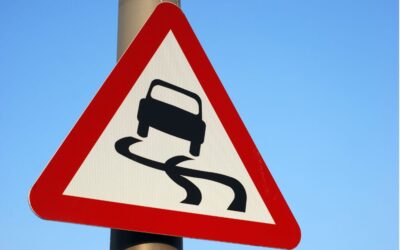
1. (of a vehicle) slide, typically sideways or obliquely, on slippery ground or as a result of stopping or turning too quickly.
“the taxicab skidded to a halt”
2. fasten a skid to (a wheel) as a brake.
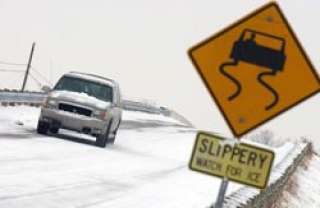
Skidding on an icy road is everyone’s fear. We don’t feel as much in control driving in winter conditions, and we know that our wheels may not have the same good traction on a sheet of ice as they do on a dry road in the summer.
But skidding can occur on any road condition: Excessive speed, abrupt braking, acceleration or steering make one wheel turn at a different speed than the others which creates a loss of traction, and the vehicle slides or rotates out of control. If your car has a standard transmission a skid can also be caused by poor use of the clutch.
I always make sure we go through a skidding scenario on our simulator with all of my students so they know what to do. Usually, they all have seen at least one car in the ditch somewhere that must have skidded right off the road. When this happens to you it is important not to panic. Stay calm and follow these best practices to recover from a skid:
- Look well ahead in your intended path – your car will go where your eyes go.
- Steer in the direction that you want the vehicle to go.
- If you are on the brake, ease off the pedal.
- Be prepared for the car to overcorrect and be ready to counter-steer as needed.
- If possible, shift into neutral or depress the clutch.
Much better than recovering from a skid is to not even get into one, agreed? So how do you stop safely on an icy road?
- Brake smoothly and well in advance.
- Use threshold braking; ABS braking should be reserved for emergency situations.
- Use good winter tires to improve traction; they can make a significant different in your stopping distance and help you avoid an oncoming hazard.
- Slow down so you can stop safely!
- Yes, stopping distances can be up to 12 times longer on snow-covered or icy roads than on dry pavement.
- When you are driving on an icy road, the best possible advice is always to SLOW DOWN. Leave early so you have no need to rush and make sure you adjust your speed to the conditions.
Learn Skid Recovery Before You Need It
Skids can happen quickly, but the right response can make all the difference. By staying calm, looking where you want to go, and steering smoothly in that direction, you can give yourself the best chance of regaining control. The best way to handle a skid is to prevent one in the first place with safe speeds, extra space, and defensive driving habits. Want to feel more confident behind the wheel in challenging conditions? Explore DriveWise driving programs and learn the skills that help keep you safer on the road.